
Community Benefit Sharing: The hardest part isn't the funding
When community benefit sharing (CBS) is discussed on renewable energy projects, the conversation often starts with funding.
What is an appropriate contribution? What are other projects offering? How does a proposed package compare to local expectations or emerging benchmarks? These are important questions and, understandably, they attract significant attention from project teams, councils and communities alike.
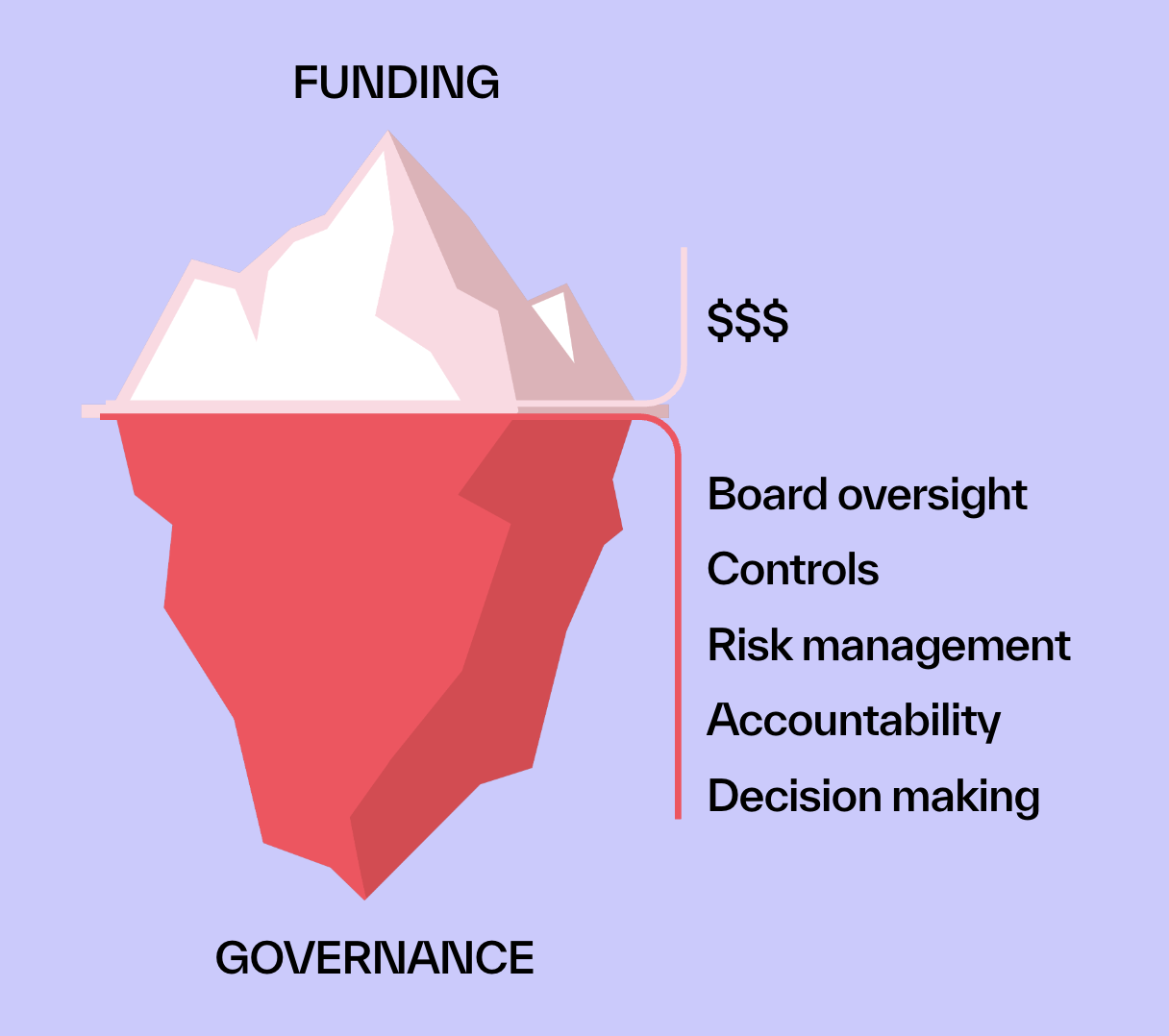
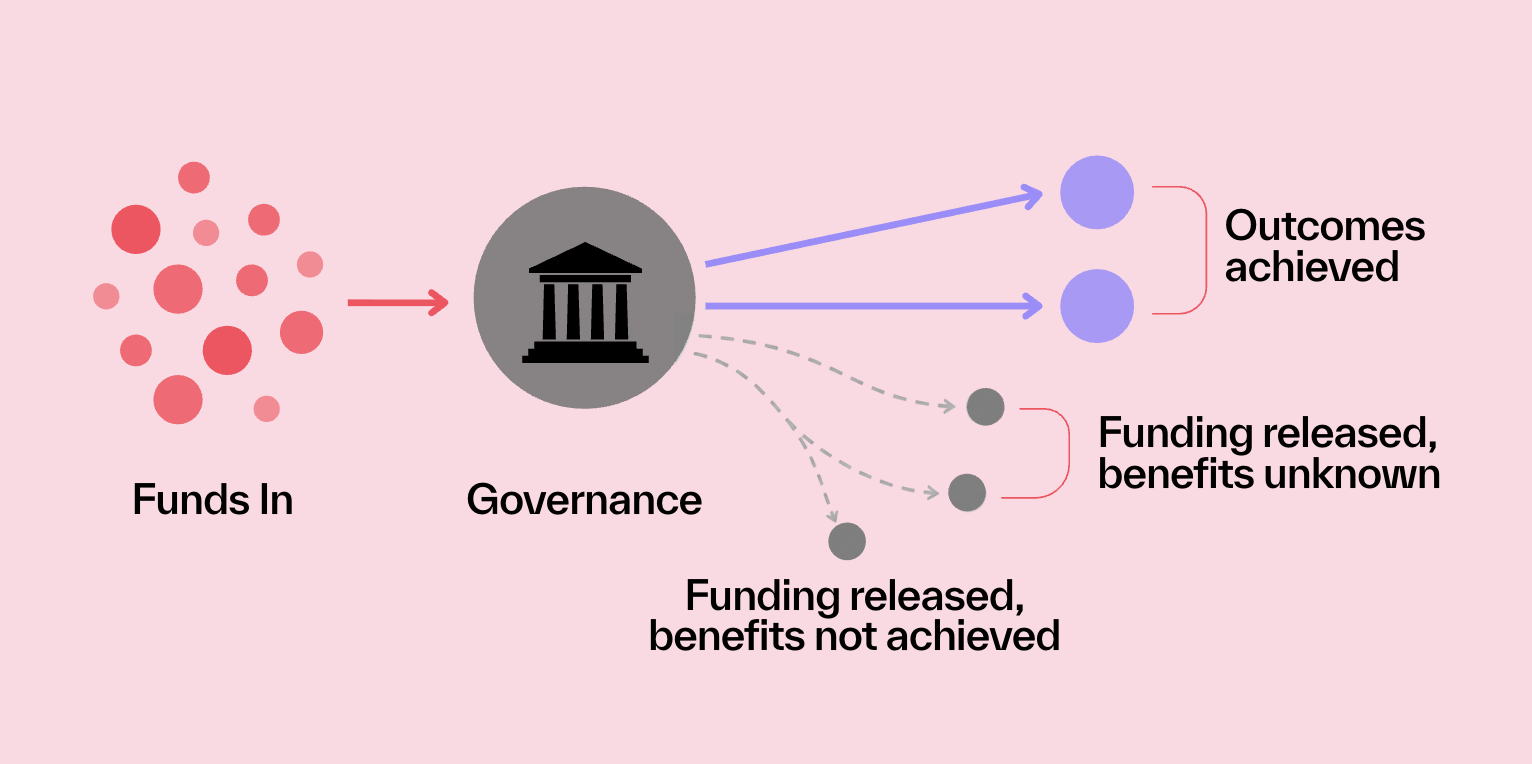
However, after working across a range of renewable energy projects, and other state significant projects, we have observed that the funding commitment is rarely the part of CBS that causes the greatest difficulty. More often, the challenge emerges after the contribution has been agreed. Questions start to arise around governance, accountability and delivery. Who will decide how benefits are distributed? How will priorities be established? How will outcomes be measured? What happens if community expectations change over time, or if ownership of the project changes? Most importantly, how will anyone know whether the intended benefits have actually been realised?
These questions are becoming more prominent because the context in which renewable energy projects are being delivered is changing. Across regional New South Wales, communities are often engaging with multiple renewable energy projects at the same time, alongside major transmission infrastructure and broader economic change. Rather than assessing individual projects in isolation, many communities are considering what the cumulative effect of development means for their region and whether the benefits being offered are proportionate to the scale of change they are experiencing.
This creates a different conversation to the one that existed even a few years ago. Historically, community benefit programs often centred on sponsorships, donations and local funding initiatives. Many delivered positive outcomes and remain valued by their communities today. However, as projects have become larger and more numerous, communities have become more interested in how benefits are managed and what they are intended to achieve. The discussion has gradually shifted from the size of a contribution towards questions of transparency, governance and long-term value.
That shift is understandable. A funding commitment on its own does not guarantee an outcome. Communities want to understand where money is going, who is making decisions and whether the benefits promised at the start of a project will still be visible years later. This is particularly important for renewable energy projects, where relationships with communities continue well beyond approvals and extend into construction and operations.
Source: Briar
In our experience, governance is often underestimated in these discussions. Project teams can spend considerable time negotiating contribution levels while relatively little attention is given to how benefits will actually be delivered.
Yet governance arrangements frequently become the factor that determines whether a CBS program is trusted by the community
There are many different models available. Benefits may be administered by local councils, community panels, independent trusts, foundations and partnership models or a combination of these approaches.
Each model has advantages and limitations depending on the objectives of the project and the characteristics of the host community. The important point is that responsibility does not disappear simply because administration has been delegated.
Communities generally associate outcomes with the project that made the commitment in the first place. If funding is difficult to access, decision-making lacks transparency, or promised outcomes fail to materialise, the distinction between the project and the entity administering the benefits can become irrelevant from a community perspective.
This is where many of the tensions associated with community benefit sharing begin to emerge. Communities often seek visibility and influence over how benefits are distributed, while project teams must consider governance requirements, commercial realities and the practicalities of implementation. There can be pressure to respond to immediate local needs while also considering investments that deliver broader regional outcomes. Organisations with multiple projects often seek consistency in their approach, yet local communities rarely fit neatly within a standardised framework.
Source: Briar
None of these tensions indicate that a project is failing. Rather, they reflect the reality that community benefit sharing sits at the intersection of community expectations, project delivery and long-term stewardship.
Perhaps the most common misconception in CBS is that trust is directly linked to the size of a contribution. Funding levels are certainly important, but communities tend to pay attention to a much broader set of factors. They notice whether commitments are delivered when promised. They notice whether decision-making processes are transparent and whether engagement occurs early enough to influence outcomes. They notice when commitments change and whether those changes are explained openly. In many cases, credibility is built through consistency and follow-through rather than through increasingly ambitious promises.
This is one of the reasons that some of the most effective CBS programs are not necessarily those with the largest budgets. They are often the programs that have invested time upfront in understanding local priorities, establishing governance arrangements that are fit for purpose and defining what success will actually look like over the life of the project.
They recognise that community benefit sharing is not a standalone activity that sits alongside engagement and impact management. Instead, it forms part of the broader relationship between a project and its host community.
As expectations around community benefit sharing continue to mature, funding will remain an important part of the discussion. However, the projects that leave a positive legacy are rarely remembered because a particular amount was committed through a deed, agreement or fund. They are remembered because communities can point to something tangible and say that it made a difference. In many respects, that is the real test of community benefit sharing. The question is not simply what was contributed, but whether the contribution achieved what it was intended to achieve.
How we can help
At Briar, we help clients design and implement community benefit sharing programs that are practical, credible and capable of delivering outcomes over the life of a project.
Our team supports clients to:
Develop Community Benefit Sharing strategies and frameworks tailored to project and community context.
Help project teams determine what should be offered, when it should be offered and how Community Benefit Sharing can be structured to support both project objectives and community outcomes.
Design governance arrangements, funding models and decision-making processes that are transparent and fit for purpose.
Identify community priorities through due diligence, engagement, social impact assessment and place-based research.
Select appropriate delivery mechanisms, including planning agreements, community enhancement funds, partnerships, grant programs and other benefit-sharing models.
Align community benefit sharing with engagement, social impact management and broader project objectives.
Establish measurable outcomes and benefit realisation approaches to demonstrate the value created over time.
Community benefit sharing works best when it is considered early, integrated with project planning and designed with implementation in mind. Whether you are developing a new strategy, reviewing an existing approach or navigating evolving policy expectations, we can help you build a framework that is practical to deliver and meaningful to the communities hosting your project.
If you'd like to discuss how community benefit sharing could support your project, we'd love to have a conversation.