
It's been a few weeks since the PIA NSW Planning Conference, which has given me some time to reflect on the interesting ideas and challenges raised over the couple of days
The theme was Transition in Action: Planners Leading NSW's Shared Future, with sessions exploring everything from land use and energy transitions to the changing ways planners work.
We heard from Monica Gibson, Deputy Secretary at DPHI, on State and regional planning, the various housing delivery interventions and changes to community participation plans. Alice Thompson, CEO of the Committee for the Hunter, took us on a journey through strategic plans of the past, reminding us how far Newcastle has already come and why understanding our planning history matters when thinking about its future.
Following a panel on delivering transitions on the ground, Christian Bason (Adjunct Professor, UTS Sydney) gave us a mind-bending presentation on the tools needed to navigate extreme societal change, challenging us to innovate how we innovate.
We then landed, almost humorously, with psychologist Michelle Heaton talking about managing burnout in a high-demand industry.
ARGH!!
Across the other sessions I attended, there were some excellent examples of councils and practitioners already changing how they approach planning:
Dungog demonstrated how digital tools can help build social licence for housing strategies and infrastructure planning.
Queanbeyan-Palerang shared its award-winning 'Health Check', which has refocused its development assessment team, significantly reduced processing times and given staff greater ownership of their work.
Wollondilly is experimenting with AI in response to extraordinary growth pressures, exploring where technology adds value and where human judgement remains essential.
Amanda Wetzel (Way Planning) challenged us to think differently about strategic planning, focusing on building confidence that delivery can actually occur, rather than producing comprehensive strategies that can become outdated almost as soon as they are published. She also wins my favourite slide award!
Lismore demonstrated how its LSPS can be used to establish a strong narrative about the future of the city, helping attract business and investment and support delivery.
Cessnock showed how a strategically targeted approach to economic development can strengthen the local economy and support better use of its land, townships and infrastructure.
Alison Holloway (SGS) provided some fascinating spatial insights into the growing demand for data centres, showing how infrastructure requirements, particularly access to electricity transmission networks, influence where data centres can realistically be located.
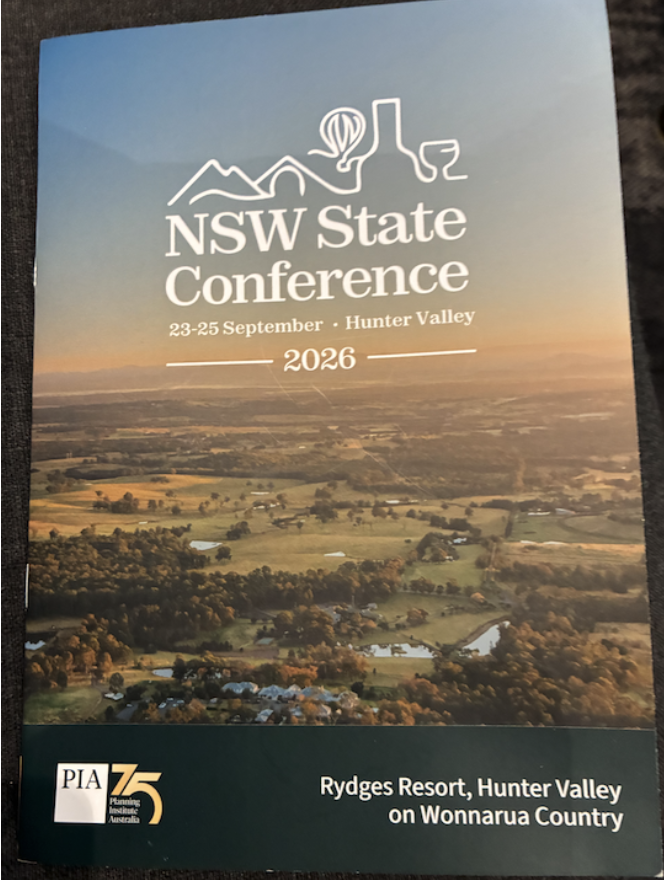
Figure 1. PIA NSW State Planning Conference program
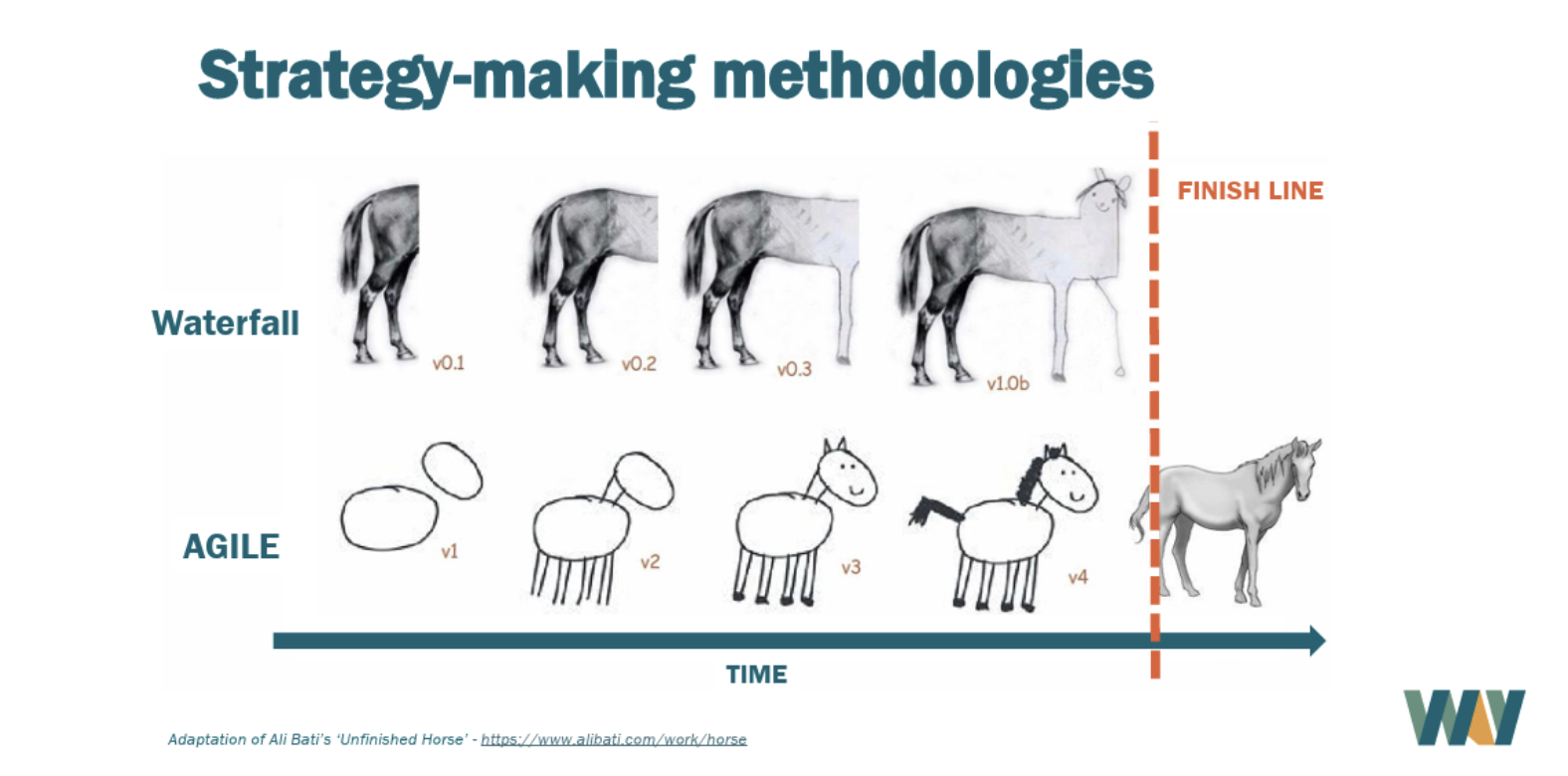
Figure 2. Winner of my favourite slide from the PIA NSW 2026 conference was Amanda Wetzel from WAY Planning and her adaption of Ali Bati’s ‘Unfinished Horse’ when talking about strategic planning and delivery in NSW planning.
Reflections
What struck me across these two days was the quite recognition that the planning tools we've relied on in the past won't necessarily get us where we need to go.
Our traditional planning toolbox of regulation, land use controls and development approvals remains important. But increasingly, these tools alone are proving insufficient to respond to the scale, pace and complexity of change expected of our cities and regions.
We're already seeing governments intervene more directly in planning and development processes to accelerate housing, infrastructure and investment. That should prompt us to consider how the planning profession itself needs to evolve.
I think this transition also requires us to reconsider how we work with others to manage urban change and deliver the outcomes we're planning for.
That means thinking differently about who we work with, how decisions are made, where investment comes from and how we bring together the many organisations and interests needed to make things happen.
It was encouraging to see so many examples of councils, often working alongside consultancies and other partners, already exploring these approaches.
And with everyone being asked to do more with less, whether that's less land, fewer resources or constrained infrastructure capacity, the need to work differently is only going to increase. We will need to make harder choices about what matters, coordinate our limited resources more effectively and focus our collective efforts on the things that will make the greatest difference.
This is where I think planners have an increasingly important role to play.
One of the profession's greatest strengths is our ability to see the whole picture. We understand that cities and communities are shaped by the interaction of many different systems, interests and decisions. We are trained to consider competing perspectives, understand the trade-offs and think about the long-term consequences.
Those skills are becoming more valuable as the challenges we face become more complex.
But we also need to be prepared to take a more active role in bringing the right people together, coordinating decisions and helping turn plans into outcomes.
Perhaps that's the real transition for planners: becoming as skilled at making change happen as we are at planning for it.
Jennifer Richardson